Buy yoga.co.at ?
We are moving the project
yoga.co.at .
Are you interested in purchasing the domain
yoga.co.at ?
domain@kv-gmbh.de · 0541-91531010
Buy yoga.co.at ?
How is the current strength ordered by strength?
The current strength is ordered by strength based on the number of protons in the nucleus of an atom. This is known as the atomic number, and it determines the position of an element in the periodic table. Elements with a higher atomic number have more protons and are considered to be stronger in terms of their atomic structure. This ordering allows for easy comparison of the strength of different elements and their chemical properties. **
What is the primary current strength?
The primary current strength refers to the maximum current that can flow through a circuit or electrical system under normal operating conditions. It is an important parameter to consider when designing and sizing electrical components and systems to ensure they can handle the expected current without overheating or failing. The primary current strength is typically determined based on the power requirements of the system and the electrical characteristics of the components involved. It is crucial to accurately calculate and account for the primary current strength to ensure the safety and reliability of the electrical system. **


Similar search terms for Current
Top-Angebote
Products related to Current:
-
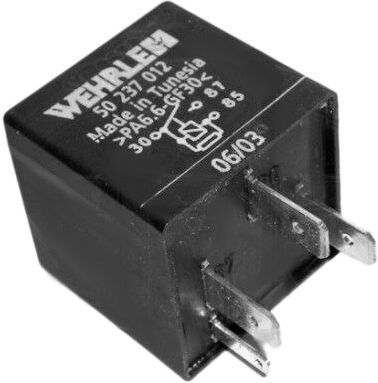
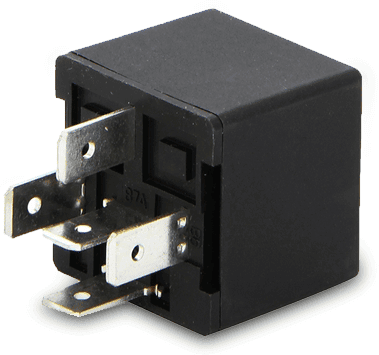
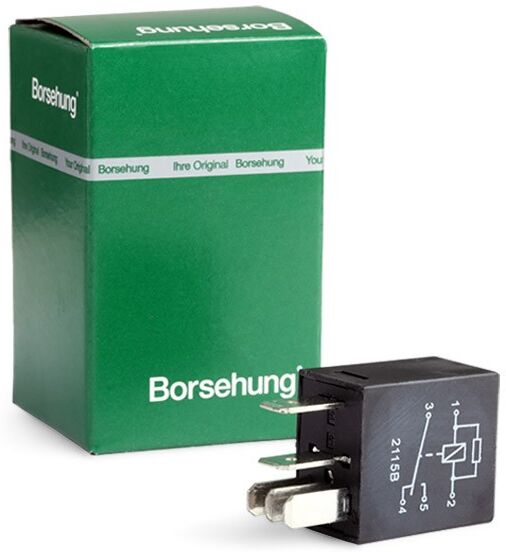
Borsehung B17806 Relay, main currentConstruction Year from: 01/2009, 11/1995, 03/2006, 01/1997, 06/2010, 11/1996, 05/2010, 10/1997, 09/1997, 08/1997, 03/2012, 08/2010, 02/2011, 02/2009, 08/2008, 04/2011, 09/2008, 09/1998, 08/1998, 05/2000, 03/2000, 10/1999, 06/2001, 04/2000, 01/2001, 02/2001, 04/2002, 06/2002, 02/2002, 09/2002, 08/2002, 05/2001, 12/2002, 10/2002, 01/2003, 09/2003, 05/2003, 03/2003, 08/2003, 04/2004, 05/2004, 07/2003, 01/2004, 03/2004, 10/2003, 12/2003, 02/2004, 02/2003, 07/2004, 08/2004, 09/2004, 06/2004, 01/2005, 03/2005, 05/2005, 11/2004, 02/2005, 08/2005, 07/2005, 11/2005, 10/2004, 01/2006, 12/2005, 04/2005, 10/2005, 09/2005, 09/2006, 06/2006, 10/2006, 05/2006, 11/2006, 12/2006, 08/2006, 07/2006, 06/2007, 07/2007, 01/2007, 02/2006, 11/2007, 10/2007, 05/2007, 09/2007, 04/2007, 08/2007, 01/2008, 02/2008, 05/2008, 04/2006, 12/2008, 02/2007, 11/2008, 10/2008, 07/2008, 04/2009, 07/2009, 09/2009, 12/2009, 11/2009, 03/2010, 08/2009, 01/2010, 02/2010, 04/2008, 07/20105,29 £*Shipping: 8,45 £Secure redirect to the provider

-
What is the technical current strength?
The technical current strength refers to the maximum amount of electrical current that a particular component or system can handle without being damaged. It is an important specification for electrical devices and circuits, as exceeding the current strength can lead to overheating and potential failure. The technical current strength is typically measured in amperes (A) and is a critical factor in designing and operating electrical systems safely and efficiently. It is important to ensure that the current strength of components and systems matches the requirements of the electrical load they will be handling. **
-
What is the permissible current strength I?
The permissible current strength I is the maximum amount of electric current that can flow through a circuit without causing damage or overheating. It is determined by the capacity of the wires, circuit breakers, and other components in the circuit to handle the flow of electricity safely. Exceeding the permissible current strength can lead to overheating, fires, or damage to the electrical system. It is important to always follow the manufacturer's guidelines and electrical code regulations to ensure that the current strength does not exceed the permissible limit. **
-
How can I decrease the current strength?
To decrease the current strength, you can either increase the resistance in the circuit or decrease the voltage. Increasing the resistance will reduce the flow of current through the circuit according to Ohm's Law (V = I * R). Alternatively, reducing the voltage supplied to the circuit will also result in a decrease in current strength. Both methods can be used depending on the specific requirements of the circuit. **
-
How do you calculate the current strength?
Current strength, measured in amperes (A), can be calculated using Ohm's Law, which states that current (I) is equal to the voltage (V) divided by the resistance (R). The formula to calculate current strength is I = V/R. By knowing the voltage across a circuit and the resistance in that circuit, you can determine the current flowing through it. This calculation is essential in designing and analyzing electrical circuits to ensure they operate safely and efficiently. **


At what current strength do you die?
The current strength at which a person dies can vary depending on individual factors such as overall health, body size, and the path the current takes through the body. In general, it is believed that currents as low as 100 milliamps (0.1 amps) can be fatal if they pass through the heart. However, higher currents are more likely to cause severe injury or death. It is important to always exercise caution around electrical sources and to seek immediate medical attention if someone has been exposed to an electric shock. **
How do you calculate the total current strength?
To calculate the total current strength in a circuit, you need to add up the individual currents flowing through each component in the circuit. This can be done by using Ohm's Law, which states that current (I) equals voltage (V) divided by resistance (R), or I = V/R. By calculating the current for each component and summing them up, you can determine the total current strength in the circuit. It's important to ensure that the currents are in the same direction when adding them together. **
Top-Angebote
Products related to Current:
-
Current Softflex Dark Blue Grill Cover For Current Model G and Model G 2.0Protect your investment with the Ocean Colored Current Softflex Cover. It is lightweight yet built to withstand the elements and custom sized to fit your Current grill or griddle. Machine washable, and made to last and stylish.99,99 $*Shipping: 0,00 $Secure redirect to the provider
-
How is the current strength ordered by strength?
The current strength is ordered by strength based on the number of protons in the nucleus of an atom. This is known as the atomic number, and it determines the position of an element in the periodic table. Elements with a higher atomic number have more protons and are considered to be stronger in terms of their atomic structure. This ordering allows for easy comparison of the strength of different elements and their chemical properties. **
-
What is the primary current strength?
The primary current strength refers to the maximum current that can flow through a circuit or electrical system under normal operating conditions. It is an important parameter to consider when designing and sizing electrical components and systems to ensure they can handle the expected current without overheating or failing. The primary current strength is typically determined based on the power requirements of the system and the electrical characteristics of the components involved. It is crucial to accurately calculate and account for the primary current strength to ensure the safety and reliability of the electrical system. **
-
What is the technical current strength?
The technical current strength refers to the maximum amount of electrical current that a particular component or system can handle without being damaged. It is an important specification for electrical devices and circuits, as exceeding the current strength can lead to overheating and potential failure. The technical current strength is typically measured in amperes (A) and is a critical factor in designing and operating electrical systems safely and efficiently. It is important to ensure that the current strength of components and systems matches the requirements of the electrical load they will be handling. **
-
What is the permissible current strength I?
The permissible current strength I is the maximum amount of electric current that can flow through a circuit without causing damage or overheating. It is determined by the capacity of the wires, circuit breakers, and other components in the circuit to handle the flow of electricity safely. Exceeding the permissible current strength can lead to overheating, fires, or damage to the electrical system. It is important to always follow the manufacturer's guidelines and electrical code regulations to ensure that the current strength does not exceed the permissible limit. **
Similar search terms for Current
-
Borsehung B17806 Relay, main currentConstruction Year from: 01/2009, 11/1995, 03/2006, 01/1997, 06/2010, 11/1996, 05/2010, 10/1997, 09/1997, 08/1997, 03/2012, 08/2010, 02/2011, 02/2009, 08/2008, 04/2011, 09/2008, 09/1998, 08/1998, 05/2000, 03/2000, 10/1999, 06/2001, 04/2000, 01/2001, 02/2001, 04/2002, 06/2002, 02/2002, 09/2002, 08/2002, 05/2001, 12/2002, 10/2002, 01/2003, 09/2003, 05/2003, 03/2003, 08/2003, 04/2004, 05/2004, 07/2003, 01/2004, 03/2004, 10/2003, 12/2003, 02/2004, 02/2003, 07/2004, 08/2004, 09/2004, 06/2004, 01/2005, 03/2005, 05/2005, 11/2004, 02/2005, 08/2005, 07/2005, 11/2005, 10/2004, 01/2006, 12/2005, 04/2005, 10/2005, 09/2005, 09/2006, 06/2006, 10/2006, 05/2006, 11/2006, 12/2006, 08/2006, 07/2006, 06/2007, 07/2007, 01/2007, 02/2006, 11/2007, 10/2007, 05/2007, 09/2007, 04/2007, 08/2007, 01/2008, 02/2008, 05/2008, 04/2006, 12/2008, 02/2007, 11/2008, 10/2008, 07/2008, 04/2009, 07/2009, 09/2009, 12/2009, 11/2009, 03/2010, 08/2009, 01/2010, 02/2010, 04/2008, 07/20105,29 £*Shipping: 8,45 £Secure redirect to the provider
-
Borsehung B17818 Relay, main currentRelay function: Pre-glow device, X contact relief; Rated Voltage [V]: 12; Number of connectors: 4; Current Strength [A]: 70; Relay Number: 644; Construction Year from: 01/2006, 03/2010, 05/2010, 02/2010, 05/2002, 11/2002, 12/2002, 07/2003, 03/2003, 02/2003, 01/2004, 03/2004, 10/2003, 12/2003, 11/2003, 05/2004, 06/2004, 02/2004, 04/2004, 11/2004, 07/2004, 03/2005, 10/2004, 05/2005, 09/2004, 11/2005, 10/2005, 09/2005, 08/2005, 07/2005, 07/2006, 04/2006, 08/2006, 12/2005, 05/2006, 03/2006, 06/2006, 02/2005, 11/2006, 06/2005, 08/2007, 07/2007, 02/2007, 09/2007, 06/2007, 12/2007, 11/2007, 03/2008, 02/2006, 09/2008, 12/2006, 08/2008, 07/2009, 10/2009, 01/2010, 08/2009, 11/2009, 01/2008, 02/2008, 09/20097,99 £*Shipping: 8,45 £Secure redirect to the provider
-
How can I decrease the current strength?
To decrease the current strength, you can either increase the resistance in the circuit or decrease the voltage. Increasing the resistance will reduce the flow of current through the circuit according to Ohm's Law (V = I * R). Alternatively, reducing the voltage supplied to the circuit will also result in a decrease in current strength. Both methods can be used depending on the specific requirements of the circuit. **
-
How do you calculate the current strength?
Current strength, measured in amperes (A), can be calculated using Ohm's Law, which states that current (I) is equal to the voltage (V) divided by the resistance (R). The formula to calculate current strength is I = V/R. By knowing the voltage across a circuit and the resistance in that circuit, you can determine the current flowing through it. This calculation is essential in designing and analyzing electrical circuits to ensure they operate safely and efficiently. **
-
At what current strength do you die?
The current strength at which a person dies can vary depending on individual factors such as overall health, body size, and the path the current takes through the body. In general, it is believed that currents as low as 100 milliamps (0.1 amps) can be fatal if they pass through the heart. However, higher currents are more likely to cause severe injury or death. It is important to always exercise caution around electrical sources and to seek immediate medical attention if someone has been exposed to an electric shock. **
-
How do you calculate the total current strength?
To calculate the total current strength in a circuit, you need to add up the individual currents flowing through each component in the circuit. This can be done by using Ohm's Law, which states that current (I) equals voltage (V) divided by resistance (R), or I = V/R. By calculating the current for each component and summing them up, you can determine the total current strength in the circuit. It's important to ensure that the currents are in the same direction when adding them together. **
* All prices are inclusive of VAT and, if applicable, plus shipping costs. The offer information is based on the details provided by the respective shop and is updated through automated processes. Real-time updates do not occur, so deviations can occur in individual cases. ** Note: Parts of this content were created by AI.