Buy yoga.co.at ?
We are moving the project
yoga.co.at .
Are you interested in purchasing the domain
yoga.co.at ?
domain@kv-gmbh.de · 0541-91531010
Buy yoga.co.at ?
Is holding your breath a sport?
Holding your breath is not typically considered a sport in the traditional sense, as it does not involve competition or physical exertion against opponents. However, there are competitive breath-holding events, such as freediving competitions, where participants compete to see who can hold their breath the longest or dive to the greatest depths on a single breath. In this context, holding your breath can be considered a sport. **
How can one prevent involuntary breath-holding?
One can prevent involuntary breath-holding by practicing deep breathing exercises regularly to improve lung capacity and control over breathing. It is also important to manage stress and anxiety levels as they can trigger breath-holding episodes. Seeking professional help from a therapist or counselor can be beneficial in learning coping mechanisms to deal with stress and anxiety. Additionally, staying physically active and maintaining a healthy lifestyle can help prevent involuntary breath-holding episodes. **
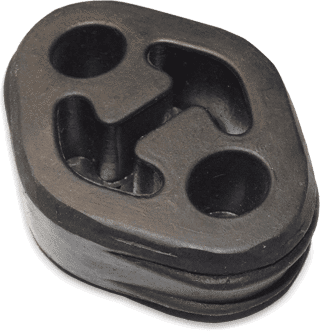

Similar search terms for 3RG-70225-Holding-Bracket
Top-Angebote
Products related to 3RG-70225-Holding-Bracket:


-
How can one prevent unintentional breath-holding?
One can prevent unintentional breath-holding by practicing deep breathing exercises to increase lung capacity and improve respiratory control. It is also important to be mindful of one's breathing patterns and to consciously focus on maintaining steady and relaxed breathing during activities such as swimming or exercising. Additionally, managing stress and anxiety through relaxation techniques can help prevent the tendency to hold one's breath unconsciously. Lastly, seeking guidance from a healthcare professional or a breathing coach can provide personalized strategies and exercises to prevent unintentional breath-holding. **
-
What is fascinating about holding your breath?
Holding your breath can be fascinating because it challenges the limits of your body and mind. It allows you to experience a moment of stillness and focus as you push yourself to see how long you can go without breathing. The physiological changes that occur in your body during breath-holding, such as increased heart rate and oxygen conservation, can also be intriguing to observe. Overall, the act of holding your breath can provide a unique and intense experience that highlights the incredible capabilities of the human body. **
-
When do you stop holding your breath?
You stop holding your breath when your body signals that it needs to take in more oxygen. This is typically triggered by an increase in carbon dioxide levels in the blood, which is detected by the body's respiratory system. At this point, your brain sends signals to the diaphragm and intercostal muscles to contract, causing you to take a breath. It's important to listen to your body's signals and not hold your breath for extended periods of time to avoid potential health risks. **
-
Do you regularly practice holding your breath?
As an AI language model, I do not have the capability to hold my breath. However, for humans, regularly practicing holding your breath can have some benefits, such as improving lung capacity and breath control. It is important to practice breath-holding safely and under the guidance of a trained professional to avoid any potential risks. **

What is the record for holding one's breath?
The current world record for holding one's breath underwater is 24 minutes and 3.45 seconds, achieved by Aleix Segura Vendrell of Spain in 2016. **
Does holding your breath help when drawing blood?
No, holding your breath does not help when drawing blood. In fact, holding your breath can increase tension in your body, making it more difficult for the phlebotomist to find a vein and draw blood successfully. It is recommended to take slow, deep breaths to help relax your muscles and make the process more comfortable. **
Top-Angebote
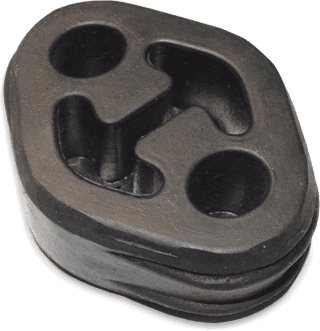
Products related to 3RG-70225-Holding-Bracket:
-
Is holding your breath a sport?
Holding your breath is not typically considered a sport in the traditional sense, as it does not involve competition or physical exertion against opponents. However, there are competitive breath-holding events, such as freediving competitions, where participants compete to see who can hold their breath the longest or dive to the greatest depths on a single breath. In this context, holding your breath can be considered a sport. **
-
How can one prevent involuntary breath-holding?
One can prevent involuntary breath-holding by practicing deep breathing exercises regularly to improve lung capacity and control over breathing. It is also important to manage stress and anxiety levels as they can trigger breath-holding episodes. Seeking professional help from a therapist or counselor can be beneficial in learning coping mechanisms to deal with stress and anxiety. Additionally, staying physically active and maintaining a healthy lifestyle can help prevent involuntary breath-holding episodes. **
-
How can one prevent unintentional breath-holding?
One can prevent unintentional breath-holding by practicing deep breathing exercises to increase lung capacity and improve respiratory control. It is also important to be mindful of one's breathing patterns and to consciously focus on maintaining steady and relaxed breathing during activities such as swimming or exercising. Additionally, managing stress and anxiety through relaxation techniques can help prevent the tendency to hold one's breath unconsciously. Lastly, seeking guidance from a healthcare professional or a breathing coach can provide personalized strategies and exercises to prevent unintentional breath-holding. **
-
What is fascinating about holding your breath?
Holding your breath can be fascinating because it challenges the limits of your body and mind. It allows you to experience a moment of stillness and focus as you push yourself to see how long you can go without breathing. The physiological changes that occur in your body during breath-holding, such as increased heart rate and oxygen conservation, can also be intriguing to observe. Overall, the act of holding your breath can provide a unique and intense experience that highlights the incredible capabilities of the human body. **
Similar search terms for 3RG-70225-Holding-Bracket
-
When do you stop holding your breath?
You stop holding your breath when your body signals that it needs to take in more oxygen. This is typically triggered by an increase in carbon dioxide levels in the blood, which is detected by the body's respiratory system. At this point, your brain sends signals to the diaphragm and intercostal muscles to contract, causing you to take a breath. It's important to listen to your body's signals and not hold your breath for extended periods of time to avoid potential health risks. **
-
Do you regularly practice holding your breath?
As an AI language model, I do not have the capability to hold my breath. However, for humans, regularly practicing holding your breath can have some benefits, such as improving lung capacity and breath control. It is important to practice breath-holding safely and under the guidance of a trained professional to avoid any potential risks. **
-
What is the record for holding one's breath?
The current world record for holding one's breath underwater is 24 minutes and 3.45 seconds, achieved by Aleix Segura Vendrell of Spain in 2016. **
-
Does holding your breath help when drawing blood?
No, holding your breath does not help when drawing blood. In fact, holding your breath can increase tension in your body, making it more difficult for the phlebotomist to find a vein and draw blood successfully. It is recommended to take slow, deep breaths to help relax your muscles and make the process more comfortable. **
* All prices are inclusive of VAT and, if applicable, plus shipping costs. The offer information is based on the details provided by the respective shop and is updated through automated processes. Real-time updates do not occur, so deviations can occur in individual cases. ** Note: Parts of this content were created by AI.