Buy yoga.co.at ?
We are moving the project
yoga.co.at .
Are you interested in purchasing the domain
yoga.co.at ?
domain@kv-gmbh.de · 0541-91531010
Buy yoga.co.at ?
What are Japanese honorific suffixes?
Japanese honorific suffixes are used to show respect and politeness when addressing or referring to others. They are attached to the end of a person's name or title, and the choice of suffix depends on the person's social status, age, and relationship to the speaker. Common honorific suffixes include -san (used for both men and women in formal and informal situations), -sama (used to show utmost respect, often for customers or people of higher status), and -chan (used for endearment, often for children, close friends, or pets). Honorific suffixes are an important aspect of Japanese language and culture, reflecting the emphasis on social hierarchy and respect. **
What is the Japanese honorific with "cchi"?
The Japanese honorific with "cchi" is typically used to show familiarity or affection towards someone. It is often added to a person's name or nickname to express closeness or intimacy. This honorific is commonly used among friends, family members, or people who have a close relationship with each other. **

Similar search terms for Honorific
Top-Angebote
Products related to Honorific:
-
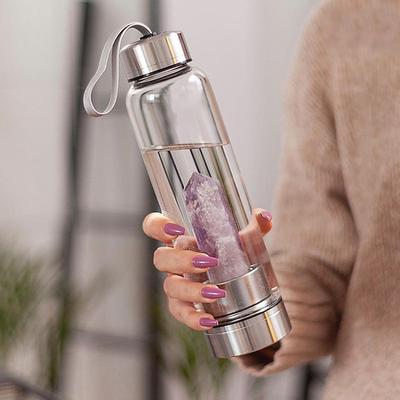
KitchenCuration Healing Quartz Crystal Water Bottle For Wellness & Energy Balance FluoriteRefresh your daily routine with a beautifully designed crystal water bottle that combines mindful living with elegant style. Crafted for wellness enthusiasts, yoga lovers, and anyone seeking a calming hydration experience, this bottle features a...49,97 $*Shipping: 0,00 $Secure redirect to the provider
-
Yoga For Men: Build Strength, Improve Performance, Increase Flexibility by Dean Pohlman - DK Paperback - Men's Fitness & Sports Yoga Guide with 50+Yoga for men: build strength, improve performance with this practical fitness guide. Written by Dean Pohlman, founder of Man Flow Yoga, it strips yoga back to its core for men who train hard. This book treats yoga as a training tool, not a lifestyle change, and provides clear photography and step-by-step instruction for over 50 key postures. It's aimed at the male body and typical male tightness patterns, making every posture approachable for beginners and seasoned athletes alike. With precise coaching cues and full-colour photographs, this guide helps you improve mobility, strengthen your core, reduce injuries, and enhance performance in the gym or on the pitch.9,99 £*Shipping: 2,99 £Secure redirect to the provider
-
ToSkin Balance Food Supplement for Wellness 30 caps. Expiration Date: 2027-04-30A food supplement for dull skin. Reduces fatigue and boosts energy levels. Strengthens the immune system. Supports digestive health with probiotics. Enhances skin vitality and radiance. Vitamins B3, B6, C: Combat fatigue and support immunity. Zinc and Copper: Protect cells and boost immunity. Spirulina, Chlorella, Açaí, Spinach: Improve digestion and well-being.8,02 £*Shipping: 4,12 £Secure redirect to the provider




-
What is the Japanese honorific for brother?
The Japanese honorific for brother is "お兄さん" (onii-san) when addressing an older brother and "弟" (otouto) when addressing a younger brother. These honorifics are used to show respect and politeness when referring to one's brother in Japanese. **
-
What is the Japanese honorific for an older brother?
The Japanese honorific for an older brother is "onii-san" (お兄さん) or "onii-chan" (お兄ちゃん) when speaking in a more familiar or affectionate tone. These honorifics are used to show respect and affection towards an older brother in Japanese culture. **
-
How do I receive the English honorific title Sir and be elevated to knighthood?
To receive the English honorific title Sir and be elevated to knighthood, one must be nominated for the honor by someone else. Typically, individuals are nominated for their significant contributions to society, such as in the fields of charity, public service, or the arts. The nomination process involves a thorough review by the government and ultimately approval by the Queen. Once approved, the individual will participate in a ceremony where they will be dubbed a knight and receive the title Sir. **
-
What flexibility do psychiatrists have in choosing unconventional therapies, such as meditation?
Psychiatrists have some flexibility in choosing unconventional therapies like meditation for their patients, as long as they are evidence-based and have shown positive outcomes in research studies. Many psychiatrists are open to incorporating complementary and alternative therapies into their treatment plans, especially if traditional methods have not been effective or if the patient expresses interest in trying something different. However, it is important for psychiatrists to consider the individual needs and preferences of each patient when recommending unconventional therapies like meditation. **
Can one mention flexibility as a strength in a job interview?
Yes, mentioning flexibility as a strength in a job interview can be beneficial. It shows that you are adaptable and open to change, which are valuable qualities in a fast-paced work environment. Highlighting your flexibility can demonstrate to the interviewer that you are willing to take on new challenges and responsibilities as needed. Additionally, it can showcase your ability to work well under pressure and handle unexpected situations effectively. **
What is the question about observing the breath during meditation?
The question about observing the breath during meditation is typically focused on how to effectively practice this technique. It may involve inquiries about the best way to maintain focus on the breath, how to handle distractions that arise, and how to deepen the practice over time. Additionally, individuals may seek guidance on the benefits of observing the breath, such as its ability to promote relaxation, reduce stress, and cultivate mindfulness. Overall, the question aims to gain a better understanding of how to incorporate breath observation into a meditation practice for optimal results. **
Top-Angebote
Products related to Honorific:
-
KitchenCuration Healing Quartz Crystal Water Bottle For Wellness & Energy Balance FluoriteRefresh your daily routine with a beautifully designed crystal water bottle that combines mindful living with elegant style. Crafted for wellness enthusiasts, yoga lovers, and anyone seeking a calming hydration experience, this bottle features a...49,97 $*Shipping: 0,00 $Secure redirect to the provider
-
Yoga For Men: Build Strength, Improve Performance, Increase Flexibility by Dean Pohlman - DK Paperback - Men's Fitness & Sports Yoga Guide with 50+Yoga for men: build strength, improve performance with this practical fitness guide. Written by Dean Pohlman, founder of Man Flow Yoga, it strips yoga back to its core for men who train hard. This book treats yoga as a training tool, not a lifestyle change, and provides clear photography and step-by-step instruction for over 50 key postures. It's aimed at the male body and typical male tightness patterns, making every posture approachable for beginners and seasoned athletes alike. With precise coaching cues and full-colour photographs, this guide helps you improve mobility, strengthen your core, reduce injuries, and enhance performance in the gym or on the pitch.9,99 £*Shipping: 2,99 £Secure redirect to the provider
-
What are Japanese honorific suffixes?
Japanese honorific suffixes are used to show respect and politeness when addressing or referring to others. They are attached to the end of a person's name or title, and the choice of suffix depends on the person's social status, age, and relationship to the speaker. Common honorific suffixes include -san (used for both men and women in formal and informal situations), -sama (used to show utmost respect, often for customers or people of higher status), and -chan (used for endearment, often for children, close friends, or pets). Honorific suffixes are an important aspect of Japanese language and culture, reflecting the emphasis on social hierarchy and respect. **
-
What is the Japanese honorific with "cchi"?
The Japanese honorific with "cchi" is typically used to show familiarity or affection towards someone. It is often added to a person's name or nickname to express closeness or intimacy. This honorific is commonly used among friends, family members, or people who have a close relationship with each other. **
-
What is the Japanese honorific for brother?
The Japanese honorific for brother is "お兄さん" (onii-san) when addressing an older brother and "弟" (otouto) when addressing a younger brother. These honorifics are used to show respect and politeness when referring to one's brother in Japanese. **
-
What is the Japanese honorific for an older brother?
The Japanese honorific for an older brother is "onii-san" (お兄さん) or "onii-chan" (お兄ちゃん) when speaking in a more familiar or affectionate tone. These honorifics are used to show respect and affection towards an older brother in Japanese culture. **
Similar search terms for Honorific
-
ToSkin Balance Food Supplement for Wellness 30 caps. Expiration Date: 2027-04-30A food supplement for dull skin. Reduces fatigue and boosts energy levels. Strengthens the immune system. Supports digestive health with probiotics. Enhances skin vitality and radiance. Vitamins B3, B6, C: Combat fatigue and support immunity. Zinc and Copper: Protect cells and boost immunity. Spirulina, Chlorella, Açaí, Spinach: Improve digestion and well-being.8,02 £*Shipping: 4,12 £Secure redirect to the provider
-
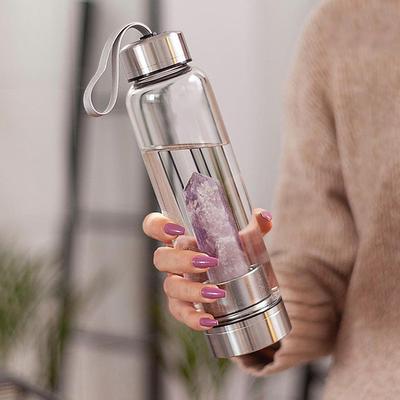
KitchenCuration Healing Quartz Crystal Water Bottle For Wellness & Energy Balance Amethyst PurpleRefresh your daily routine with a beautifully designed crystal water bottle that combines mindful living with elegant style. Crafted for wellness enthusiasts, yoga lovers, and anyone seeking a calming hydration experience, this bottle features a...53,97 $*Shipping: 0,00 $Secure redirect to the provider
-
KitchenCuration Healing Quartz Crystal Water Bottle For Wellness & Energy Balance Clear QuartzRefresh your daily routine with a beautifully designed crystal water bottle that combines mindful living with elegant style. Crafted for wellness enthusiasts, yoga lovers, and anyone seeking a calming hydration experience, this bottle features a...49,97 $*Shipping: 0,00 $Secure redirect to the provider
-
How do I receive the English honorific title Sir and be elevated to knighthood?
To receive the English honorific title Sir and be elevated to knighthood, one must be nominated for the honor by someone else. Typically, individuals are nominated for their significant contributions to society, such as in the fields of charity, public service, or the arts. The nomination process involves a thorough review by the government and ultimately approval by the Queen. Once approved, the individual will participate in a ceremony where they will be dubbed a knight and receive the title Sir. **
-
What flexibility do psychiatrists have in choosing unconventional therapies, such as meditation?
Psychiatrists have some flexibility in choosing unconventional therapies like meditation for their patients, as long as they are evidence-based and have shown positive outcomes in research studies. Many psychiatrists are open to incorporating complementary and alternative therapies into their treatment plans, especially if traditional methods have not been effective or if the patient expresses interest in trying something different. However, it is important for psychiatrists to consider the individual needs and preferences of each patient when recommending unconventional therapies like meditation. **
-
Can one mention flexibility as a strength in a job interview?
Yes, mentioning flexibility as a strength in a job interview can be beneficial. It shows that you are adaptable and open to change, which are valuable qualities in a fast-paced work environment. Highlighting your flexibility can demonstrate to the interviewer that you are willing to take on new challenges and responsibilities as needed. Additionally, it can showcase your ability to work well under pressure and handle unexpected situations effectively. **
-
What is the question about observing the breath during meditation?
The question about observing the breath during meditation is typically focused on how to effectively practice this technique. It may involve inquiries about the best way to maintain focus on the breath, how to handle distractions that arise, and how to deepen the practice over time. Additionally, individuals may seek guidance on the benefits of observing the breath, such as its ability to promote relaxation, reduce stress, and cultivate mindfulness. Overall, the question aims to gain a better understanding of how to incorporate breath observation into a meditation practice for optimal results. **
* All prices are inclusive of VAT and, if applicable, plus shipping costs. The offer information is based on the details provided by the respective shop and is updated through automated processes. Real-time updates do not occur, so deviations can occur in individual cases. ** Note: Parts of this content were created by AI.