Buy yoga.co.at ?
We are moving the project
yoga.co.at .
Are you interested in purchasing the domain
yoga.co.at ?
domain@kv-gmbh.de · 0541-91531010
Buy yoga.co.at ?
What do 'watashi' and 'konnichiwa' mean?
'Watashi' means 'I' or 'me' in Japanese and is a common way to refer to oneself. 'Konnichiwa' is a greeting in Japanese that is used during the daytime to say 'hello' or 'good afternoon'. Both of these words are commonly used in everyday conversations in Japan. **
"Instead of konnichiwa, konnichiha is used."
The statement is incorrect. "Konnichiwa" is the correct way to say "hello" in Japanese, used during the daytime. "Konnichiha" is not a standard greeting in Japanese and would be considered incorrect. It's important to use the correct form of greeting when speaking in Japanese to show respect and understanding of the language. **
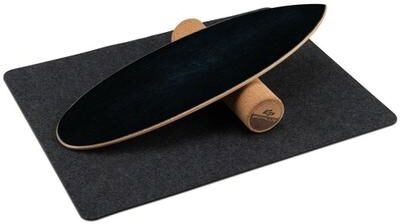

Similar search terms for Konnichiwa
Top-Angebote
Products related to Konnichiwa:
-
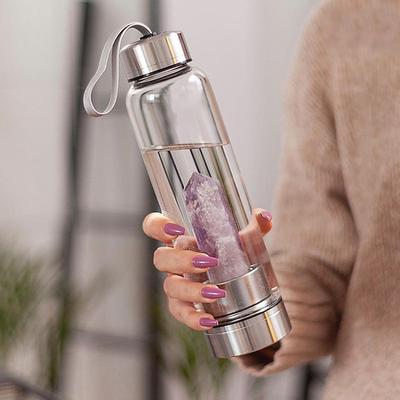
KitchenCuration Healing Quartz Crystal Water Bottle For Wellness & Energy Balance FluoriteRefresh your daily routine with a beautifully designed crystal water bottle that combines mindful living with elegant style. Crafted for wellness enthusiasts, yoga lovers, and anyone seeking a calming hydration experience, this bottle features a...49,97 $*Shipping: 0,00 $Secure redirect to the provider
-
Yoga For Men: Build Strength, Improve Performance, Increase Flexibility by Dean Pohlman - DK Paperback - Men's Fitness & Sports Yoga Guide with 50+Yoga for men: build strength, improve performance with this practical fitness guide. Written by Dean Pohlman, founder of Man Flow Yoga, it strips yoga back to its core for men who train hard. This book treats yoga as a training tool, not a lifestyle change, and provides clear photography and step-by-step instruction for over 50 key postures. It's aimed at the male body and typical male tightness patterns, making every posture approachable for beginners and seasoned athletes alike. With precise coaching cues and full-colour photographs, this guide helps you improve mobility, strengthen your core, reduce injuries, and enhance performance in the gym or on the pitch.9,99 £*Shipping: 2,99 £Secure redirect to the provider




-
Why are Japanese people so polite, Konnichiwa?
Japanese people are known for their politeness due to cultural values that emphasize respect, harmony, and consideration for others. The concept of "wa" or harmony is deeply ingrained in Japanese society, leading to a strong emphasis on maintaining positive relationships and avoiding conflict. Politeness is also seen as a way to show appreciation and consideration for others, reflecting the importance of social harmony in Japanese culture. Additionally, the use of polite language and gestures is a way to show humility and respect towards others, regardless of their social status. **
-
Why is "konnichiwa" written with the character "ha"?
"Konnichiwa" is written with the character "ha" in Japanese because the pronunciation of the character "ha" changes to "wa" when used as a particle in certain words. In this case, "ha" is used as a particle to indicate a greeting, and it is pronounced as "wa" in the word "konnichiwa." This change in pronunciation is a common feature in the Japanese language. **
-
What is the correct spelling: konnichiwa or konichiwa?
The correct spelling is "konnichiwa." This is the standard romanization of the Japanese word こんにちは, which is used to greet someone during the day. The double "n" in "konnichiwa" reflects the long vowel sound in the second syllable of the word. **
-
Why is "konnichiwa" written with a "w" and not with a "v"?
"Konnichiwa" is written with a "w" in the Romanized form because the Japanese language does not have a distinct "v" sound. The closest sound in Japanese to the English "v" is actually the "w" sound. Therefore, when transliterating Japanese words into the Roman alphabet, the "w" is used to represent the closest sound to the original Japanese pronunciation. **
What flexibility do psychiatrists have in choosing unconventional therapies, such as meditation?
Psychiatrists have some flexibility in choosing unconventional therapies like meditation for their patients, as long as they are evidence-based and have shown positive outcomes in research studies. Many psychiatrists are open to incorporating complementary and alternative therapies into their treatment plans, especially if traditional methods have not been effective or if the patient expresses interest in trying something different. However, it is important for psychiatrists to consider the individual needs and preferences of each patient when recommending unconventional therapies like meditation. **
Can one mention flexibility as a strength in a job interview?
Yes, mentioning flexibility as a strength in a job interview can be beneficial. It shows that you are adaptable and open to change, which are valuable qualities in a fast-paced work environment. Highlighting your flexibility can demonstrate to the interviewer that you are willing to take on new challenges and responsibilities as needed. Additionally, it can showcase your ability to work well under pressure and handle unexpected situations effectively. **
Top-Angebote
Products related to Konnichiwa:
-
KitchenCuration Healing Quartz Crystal Water Bottle For Wellness & Energy Balance FluoriteRefresh your daily routine with a beautifully designed crystal water bottle that combines mindful living with elegant style. Crafted for wellness enthusiasts, yoga lovers, and anyone seeking a calming hydration experience, this bottle features a...49,97 $*Shipping: 0,00 $Secure redirect to the provider
-
Yoga For Men: Build Strength, Improve Performance, Increase Flexibility by Dean Pohlman - DK Paperback - Men's Fitness & Sports Yoga Guide with 50+Yoga for men: build strength, improve performance with this practical fitness guide. Written by Dean Pohlman, founder of Man Flow Yoga, it strips yoga back to its core for men who train hard. This book treats yoga as a training tool, not a lifestyle change, and provides clear photography and step-by-step instruction for over 50 key postures. It's aimed at the male body and typical male tightness patterns, making every posture approachable for beginners and seasoned athletes alike. With precise coaching cues and full-colour photographs, this guide helps you improve mobility, strengthen your core, reduce injuries, and enhance performance in the gym or on the pitch.9,99 £*Shipping: 2,99 £Secure redirect to the provider
-
What do 'watashi' and 'konnichiwa' mean?
'Watashi' means 'I' or 'me' in Japanese and is a common way to refer to oneself. 'Konnichiwa' is a greeting in Japanese that is used during the daytime to say 'hello' or 'good afternoon'. Both of these words are commonly used in everyday conversations in Japan. **
-
"Instead of konnichiwa, konnichiha is used."
The statement is incorrect. "Konnichiwa" is the correct way to say "hello" in Japanese, used during the daytime. "Konnichiha" is not a standard greeting in Japanese and would be considered incorrect. It's important to use the correct form of greeting when speaking in Japanese to show respect and understanding of the language. **
-
Why are Japanese people so polite, Konnichiwa?
Japanese people are known for their politeness due to cultural values that emphasize respect, harmony, and consideration for others. The concept of "wa" or harmony is deeply ingrained in Japanese society, leading to a strong emphasis on maintaining positive relationships and avoiding conflict. Politeness is also seen as a way to show appreciation and consideration for others, reflecting the importance of social harmony in Japanese culture. Additionally, the use of polite language and gestures is a way to show humility and respect towards others, regardless of their social status. **
-
Why is "konnichiwa" written with the character "ha"?
"Konnichiwa" is written with the character "ha" in Japanese because the pronunciation of the character "ha" changes to "wa" when used as a particle in certain words. In this case, "ha" is used as a particle to indicate a greeting, and it is pronounced as "wa" in the word "konnichiwa." This change in pronunciation is a common feature in the Japanese language. **
Similar search terms for Konnichiwa
-
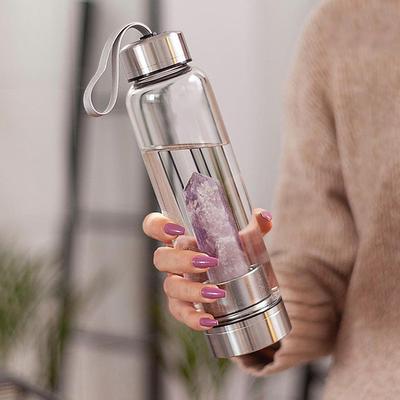
KitchenCuration Healing Quartz Crystal Water Bottle For Wellness & Energy Balance Amethyst PurpleRefresh your daily routine with a beautifully designed crystal water bottle that combines mindful living with elegant style. Crafted for wellness enthusiasts, yoga lovers, and anyone seeking a calming hydration experience, this bottle features a...53,97 $*Shipping: 0,00 $Secure redirect to the provider
-
KitchenCuration Healing Quartz Crystal Water Bottle For Wellness & Energy Balance Clear QuartzRefresh your daily routine with a beautifully designed crystal water bottle that combines mindful living with elegant style. Crafted for wellness enthusiasts, yoga lovers, and anyone seeking a calming hydration experience, this bottle features a...49,97 $*Shipping: 0,00 $Secure redirect to the provider
-
What is the correct spelling: konnichiwa or konichiwa?
The correct spelling is "konnichiwa." This is the standard romanization of the Japanese word こんにちは, which is used to greet someone during the day. The double "n" in "konnichiwa" reflects the long vowel sound in the second syllable of the word. **
-
Why is "konnichiwa" written with a "w" and not with a "v"?
"Konnichiwa" is written with a "w" in the Romanized form because the Japanese language does not have a distinct "v" sound. The closest sound in Japanese to the English "v" is actually the "w" sound. Therefore, when transliterating Japanese words into the Roman alphabet, the "w" is used to represent the closest sound to the original Japanese pronunciation. **
-
What flexibility do psychiatrists have in choosing unconventional therapies, such as meditation?
Psychiatrists have some flexibility in choosing unconventional therapies like meditation for their patients, as long as they are evidence-based and have shown positive outcomes in research studies. Many psychiatrists are open to incorporating complementary and alternative therapies into their treatment plans, especially if traditional methods have not been effective or if the patient expresses interest in trying something different. However, it is important for psychiatrists to consider the individual needs and preferences of each patient when recommending unconventional therapies like meditation. **
-
Can one mention flexibility as a strength in a job interview?
Yes, mentioning flexibility as a strength in a job interview can be beneficial. It shows that you are adaptable and open to change, which are valuable qualities in a fast-paced work environment. Highlighting your flexibility can demonstrate to the interviewer that you are willing to take on new challenges and responsibilities as needed. Additionally, it can showcase your ability to work well under pressure and handle unexpected situations effectively. **
* All prices are inclusive of VAT and, if applicable, plus shipping costs. The offer information is based on the details provided by the respective shop and is updated through automated processes. Real-time updates do not occur, so deviations can occur in individual cases. ** Note: Parts of this content were created by AI.