Buy yoga.co.at ?
We are moving the project
yoga.co.at .
Are you interested in purchasing the domain
yoga.co.at ?
domain@kv-gmbh.de · 0541-91531010
Buy yoga.co.at ?
Is the depletion-type MOSFET self-conducting?
No, the depletion-type MOSFET is not self-conducting. It requires an external voltage to be applied to the gate terminal in order to control the flow of current between the source and drain terminals. The depletion-type MOSFET operates in the depletion mode, meaning that it conducts current when no voltage is applied to the gate terminal, unlike the enhancement-type MOSFET which requires a voltage to be applied to the gate terminal to allow current flow. **
How can the tensile strength be calculated without conducting a test?
Tensile strength can be estimated using the ultimate tensile strength (UTS) formula, which is the maximum stress a material can withstand while being stretched or pulled before necking, which is when the material begins to thin and ultimately break. The UTS can be estimated using the yield strength and the elongation at break of the material. The formula for UTS is UTS = Yield Strength / (1 - (Elongation at Break / 100)). By using the yield strength and elongation at break values, the tensile strength can be estimated without conducting a physical test. **

Similar search terms for Self-conducting
Top-Angebote
Products related to Self-conducting:
-
Yellow Kite Meditation For Fidgety Skeptics: A 10% Happier How-To Book by Dan Harris - New Paperback Self-Help Meditation GuideMeditation for Fidgety Skeptics by Dan Harris is a warm and witty guide to building a meditation habit. Written by Dan Harris, an ABC News anchor, and meditation teacher Jeff Warren, it tackles common excuses for avoiding meditation. This paperback offers a refreshingly honest and practical route into meditation, grounded in real science rather than spiritual jargon or wishful thinking. After a public panic attack on live television, Dan Harris became an unlikely meditation convert. He teams up with Jeff Warren for a road trip across America, meeting people along the way who have found meditation to be beneficial. This book is perfect for busy adults, self-help readers, and anyone curious about mindfulness but put off by 'woo-woo' language. It's a follow-up to Dan Harris's bestselling memoir 10% Happier, and is published by Yellow Kite.3,99 £*Shipping: 2,99 £Secure redirect to the provider
-
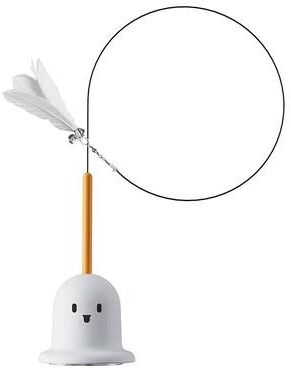
Uplift Essentials Self Entertaining Interactive Feather Wand With Industrial Strength Suction Cup whiteGive your pet the freedom to play whenever they please with this innovative suction cup cat teaser. Designed for independent play, this powerful toy features a heavyduty vacuum base that adheres firmly to smooth surfaces, allowing your cat to swat,...49,97 $*Shipping: 0,00 $Secure redirect to the provider

-
When is the transistor conducting?
A transistor is conducting when it is in the "on" state, allowing current to flow between its collector and emitter terminals. This occurs when a sufficient voltage is applied to the base terminal, causing the transistor to become forward-biased and allowing current to flow through it. In this state, the transistor acts as a closed switch, allowing the flow of current through it. **
-
When does copper stop conducting?
Copper stops conducting electricity when it reaches its superconducting transition temperature, which is approximately -210 degrees Celsius. At this temperature, copper loses all electrical resistance and becomes a superconductor. This means that it can conduct electricity without any loss of energy, making it extremely efficient for certain applications such as in MRI machines and particle accelerators. However, achieving and maintaining such low temperatures is challenging and expensive, so superconducting copper is not commonly used in everyday electrical applications. **
-
Can old metals stop conducting electricity?
Yes, old metals can stop conducting electricity due to a process called corrosion. Over time, metals can be exposed to moisture and other environmental factors that cause them to oxidize and form a layer of corrosion on their surface. This layer can act as an insulator, preventing the flow of electricity through the metal. Additionally, old metals may also suffer from physical damage or wear and tear, which can affect their ability to conduct electricity. **
-
What are methods for conducting research?
There are several methods for conducting research, including qualitative and quantitative approaches. Qualitative research methods involve gathering non-numerical data through techniques such as interviews, focus groups, and observations. Quantitative research methods involve collecting numerical data and analyzing it using statistical techniques, such as surveys and experiments. Other methods include case studies, content analysis, and action research. Researchers may also use a combination of these methods to gain a more comprehensive understanding of their research topic. **


What do these conducting gestures mean?
These conducting gestures are used by a conductor to communicate with the musicians in an orchestra or ensemble. The upward movement of the baton signals the musicians to start playing or to increase the volume, while the downward movement indicates a decrease in volume or the end of a section. The side-to-side motion helps to keep the musicians in sync and can also indicate changes in tempo or dynamics. Overall, these gestures help the conductor to guide and shape the music being performed. **
What are the differences in conducting?
Conducting is the art of leading a musical performance, and there are several key differences in conducting styles. One major difference is the physical gestures used by conductors to communicate with the musicians. Some conductors use large, sweeping gestures to convey emotion and energy, while others may use more subtle movements to guide the ensemble. Additionally, the level of involvement and interaction with the musicians can vary among conductors, with some taking a more authoritative approach and others fostering a collaborative atmosphere. Lastly, the interpretation of the music and the conductor's ability to convey their vision to the ensemble can also differ, resulting in unique performances. **
Top-Angebote
Products related to Self-conducting:
-
DK Practical Ayurveda by Sivananda Yoga Vedanta Centre - Hardback Wellness Guide to Doshas, Diet, Yoga & Natural Self-Care BalanceDiscover the principles of Ayurveda, a traditional Indian system of medicine, with this beautifully presented hardback guide. Written by the Sivananda Yoga Vedanta Centre, it helps readers identify their unique dosha, or mind-body constitution, and provides practical advice on how to restore balance through small daily adjustments to diet, movement, sleep, and mindset. The book includes clear, accessible, and richly illustrated guidance suitable for both beginners and experienced wellness seekers. It opens with simple self-assessment tools to help readers determine whether they are predominantly Vata, Pitta, or Kapha, and chapters cover nutrition, movement, and other aspects of Ayurvedic living. Published by DK, this hardback edition is a comprehensive introduction to the science of life, which views health as a state of balance between body, mind, and spirit.7,99 £*Shipping: 2,99 £Secure redirect to the provider
-
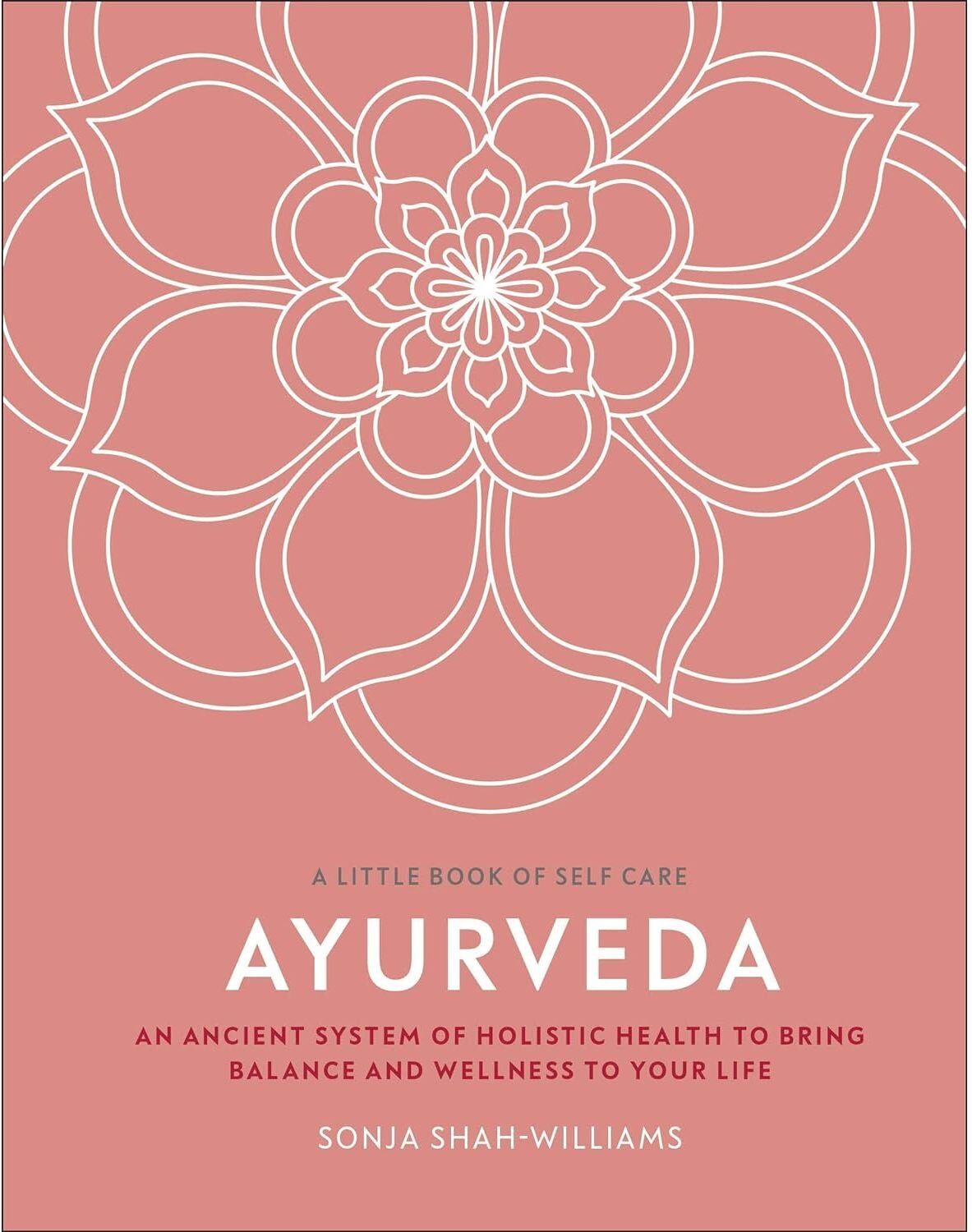
DK Ayurveda: An Ancient System of Holistic Health to Bring Balance and Wellness to Your Life (A Little Book of Self Care)Make Ayurveda an indispensable part of your daily routine with this step-by-step guide to holistic balance and wellness. For a natural approach to self-healing, alternative medicine, and wellness, expert Sonja Shah-Williams has tailored remedies including Ayurveda recipes, skincare, yoga, and mindful meditation techniques. Harness the power of alternative therapies and discover: - What Ayurveda is and the benefits of the practice - Easy to follow, step by step illustrated guide to Ayurvedic practices - Ayurvedic super-foods and recipes - How to easily incorporate holistic practices into daily life - Positive affirmations, mindfulness techniques and exercises Modern science has proved the effectiveness of Ayurveda as a view of the world based on ancient beliefs that everything is connected and that balance is the key to wellbeing. Ayurveda focuses on the prevention of disease by focusing on anti-inflammatory diets, mindful meditation, and massages. This practical guide is an Ayurvedic consultation at your disposal. This little self-care book will take you on a breathtaking journey of holistic healing. It begins by unpacking what Ayurveda is and the benefits of the practice. This reference book includes wellness practices designed to uplift the mind, body, and spirit and healing treatments designed to address, relieve, and help cure a range of common conditions.4,95 £*Shipping: 1,99 £Secure redirect to the provider
-
Yellow Kite Meditation For Fidgety Skeptics: A 10% Happier How-To Book by Dan Harris - New Paperback Self-Help Meditation GuideMeditation for Fidgety Skeptics by Dan Harris is a warm and witty guide to building a meditation habit. Written by Dan Harris, an ABC News anchor, and meditation teacher Jeff Warren, it tackles common excuses for avoiding meditation. This paperback offers a refreshingly honest and practical route into meditation, grounded in real science rather than spiritual jargon or wishful thinking. After a public panic attack on live television, Dan Harris became an unlikely meditation convert. He teams up with Jeff Warren for a road trip across America, meeting people along the way who have found meditation to be beneficial. This book is perfect for busy adults, self-help readers, and anyone curious about mindfulness but put off by 'woo-woo' language. It's a follow-up to Dan Harris's bestselling memoir 10% Happier, and is published by Yellow Kite.3,99 £*Shipping: 2,99 £Secure redirect to the provider
-
Is the depletion-type MOSFET self-conducting?
No, the depletion-type MOSFET is not self-conducting. It requires an external voltage to be applied to the gate terminal in order to control the flow of current between the source and drain terminals. The depletion-type MOSFET operates in the depletion mode, meaning that it conducts current when no voltage is applied to the gate terminal, unlike the enhancement-type MOSFET which requires a voltage to be applied to the gate terminal to allow current flow. **
-
How can the tensile strength be calculated without conducting a test?
Tensile strength can be estimated using the ultimate tensile strength (UTS) formula, which is the maximum stress a material can withstand while being stretched or pulled before necking, which is when the material begins to thin and ultimately break. The UTS can be estimated using the yield strength and the elongation at break of the material. The formula for UTS is UTS = Yield Strength / (1 - (Elongation at Break / 100)). By using the yield strength and elongation at break values, the tensile strength can be estimated without conducting a physical test. **
-
When is the transistor conducting?
A transistor is conducting when it is in the "on" state, allowing current to flow between its collector and emitter terminals. This occurs when a sufficient voltage is applied to the base terminal, causing the transistor to become forward-biased and allowing current to flow through it. In this state, the transistor acts as a closed switch, allowing the flow of current through it. **
-
When does copper stop conducting?
Copper stops conducting electricity when it reaches its superconducting transition temperature, which is approximately -210 degrees Celsius. At this temperature, copper loses all electrical resistance and becomes a superconductor. This means that it can conduct electricity without any loss of energy, making it extremely efficient for certain applications such as in MRI machines and particle accelerators. However, achieving and maintaining such low temperatures is challenging and expensive, so superconducting copper is not commonly used in everyday electrical applications. **
Similar search terms for Self-conducting
-
Uplift Essentials Self Entertaining Interactive Feather Wand With Industrial Strength Suction Cup whiteGive your pet the freedom to play whenever they please with this innovative suction cup cat teaser. Designed for independent play, this powerful toy features a heavyduty vacuum base that adheres firmly to smooth surfaces, allowing your cat to swat,...49,97 $*Shipping: 0,00 $Secure redirect to the provider
-
KitchenCuration Healing Quartz Crystal Water Bottle For Wellness & Energy Balance FluoriteRefresh your daily routine with a beautifully designed crystal water bottle that combines mindful living with elegant style. Crafted for wellness enthusiasts, yoga lovers, and anyone seeking a calming hydration experience, this bottle features a...49,97 $*Shipping: 0,00 $Secure redirect to the provider
-
Can old metals stop conducting electricity?
Yes, old metals can stop conducting electricity due to a process called corrosion. Over time, metals can be exposed to moisture and other environmental factors that cause them to oxidize and form a layer of corrosion on their surface. This layer can act as an insulator, preventing the flow of electricity through the metal. Additionally, old metals may also suffer from physical damage or wear and tear, which can affect their ability to conduct electricity. **
-
What are methods for conducting research?
There are several methods for conducting research, including qualitative and quantitative approaches. Qualitative research methods involve gathering non-numerical data through techniques such as interviews, focus groups, and observations. Quantitative research methods involve collecting numerical data and analyzing it using statistical techniques, such as surveys and experiments. Other methods include case studies, content analysis, and action research. Researchers may also use a combination of these methods to gain a more comprehensive understanding of their research topic. **
-
What do these conducting gestures mean?
These conducting gestures are used by a conductor to communicate with the musicians in an orchestra or ensemble. The upward movement of the baton signals the musicians to start playing or to increase the volume, while the downward movement indicates a decrease in volume or the end of a section. The side-to-side motion helps to keep the musicians in sync and can also indicate changes in tempo or dynamics. Overall, these gestures help the conductor to guide and shape the music being performed. **
-
What are the differences in conducting?
Conducting is the art of leading a musical performance, and there are several key differences in conducting styles. One major difference is the physical gestures used by conductors to communicate with the musicians. Some conductors use large, sweeping gestures to convey emotion and energy, while others may use more subtle movements to guide the ensemble. Additionally, the level of involvement and interaction with the musicians can vary among conductors, with some taking a more authoritative approach and others fostering a collaborative atmosphere. Lastly, the interpretation of the music and the conductor's ability to convey their vision to the ensemble can also differ, resulting in unique performances. **
* All prices are inclusive of VAT and, if applicable, plus shipping costs. The offer information is based on the details provided by the respective shop and is updated through automated processes. Real-time updates do not occur, so deviations can occur in individual cases. ** Note: Parts of this content were created by AI.